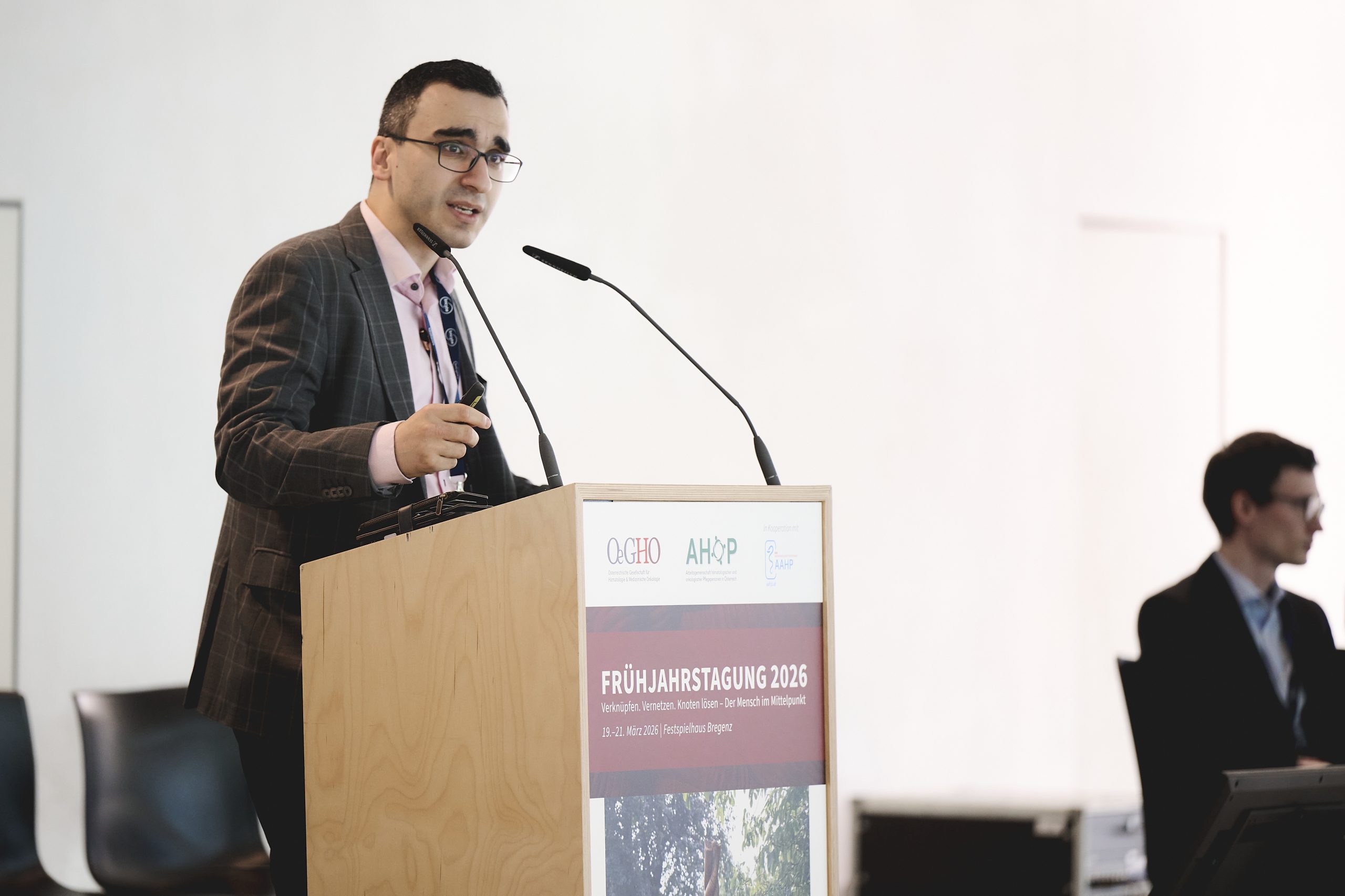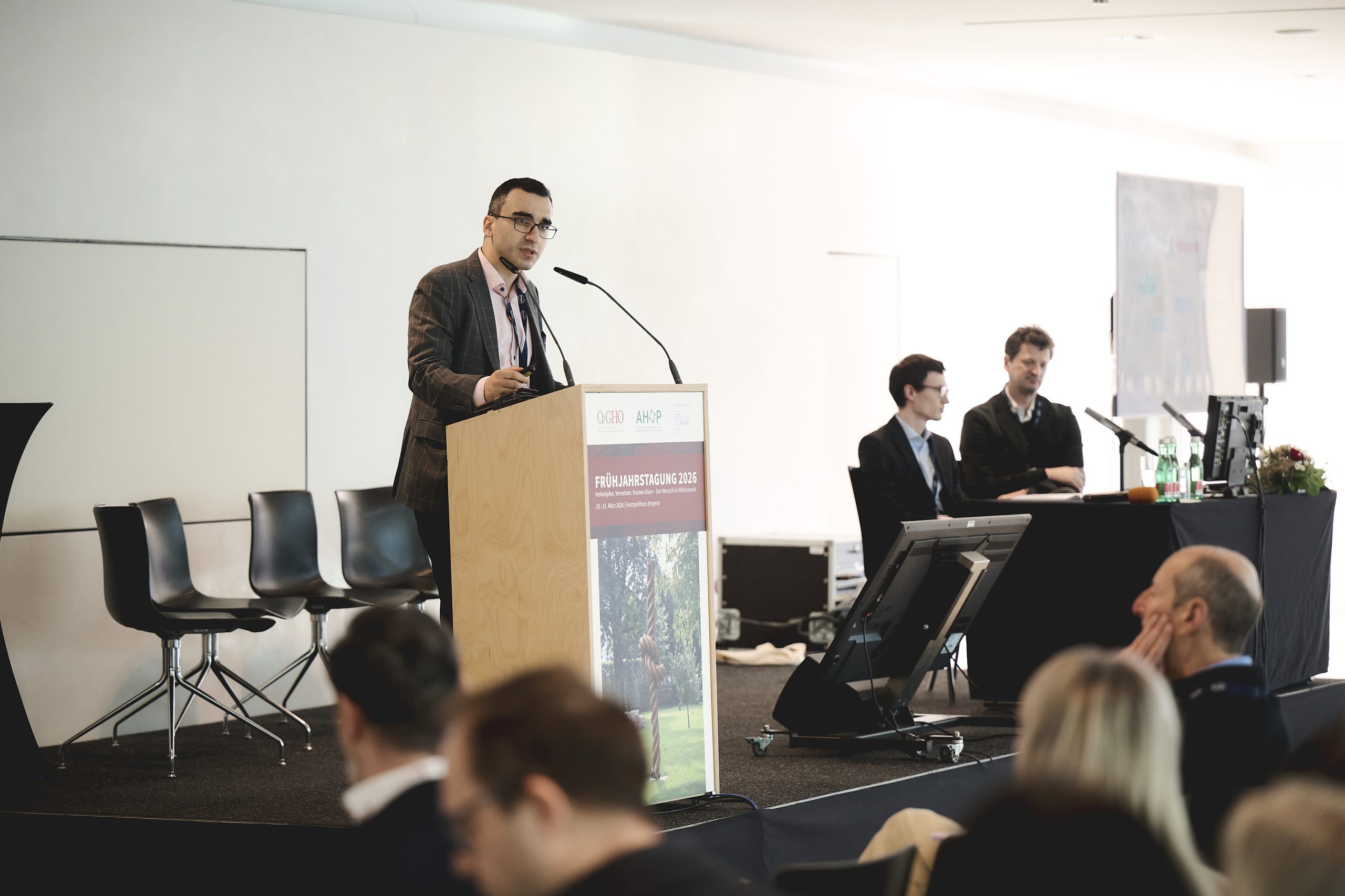
OeGHO Spring Conference 2026 (Bregenz)
At this year’s spring conference of the OeGHO in Bregenz,
I had the opportunity to speak on a key topic in modern oncology:
molecular diagnostics as a clinical standard for hepatocellular
carcinoma (HCC) and cholangiocarcinoma (CCC).
In recent years, precision oncology has initiated a profound
paradigm shift. Tumors that were previously regarded as clinically homogeneous
entities now exhibit a pronounced molecular
diversity – with immediate therapeutic consequences.
In cholangiocarcinoma, early, comprehensive molecular
profiling is essential. Target structures such as FGFR alterations,
IDH1 mutations, BRAF-V600E, BRCA1/2, KRAS G12C or HER2 expression
are increasingly opening up individualized treatment options. The use of modern diagnostic methods, in particular the
combination of DNA- and RNA-based sequencing, is
crucial in order to capture the full
therapeutic relevance of genetic alterations.
The diagnosis of hepatocellular carcinoma is also evolving
: the purely imaging-based classification is increasingly being supplemented by
molecular subtypes. In particular, the WNT/β-catenin signaling pathway
plays a central role in the response to immunotherapies and
enables differentiated therapeutic stratification.
At the same time, new substances are opening up additional perspectives:
Combination therapies such as irpagratinib with atezolizumab in
FGF19 amplification or FGFR4 activation are showing promising results in current
phase II trials. Similarly, the
targeted reactivation of the TP53-Y220C mutation by innovative
agents such as Rezatapopt – investigated in the phase II study
PYNNACLE, among others – underscores the growing potential of highly specific molecular
therapeutic strategies for HCC and CCC.
The integration of molecular diagnostics into clinical routine is
therefore no longer optional, but crucial for modern,
evidence-based and patient-centered therapy planning.
I would like to thank the organizers and colleagues for the
invitation and the intensive scientific exchange.